Generic LLMs answer general questions, but cannot explain a high bill with appliance-level precision, identify what's loading a transformer, or forecast DER impact on a feeder. Bidgely GenAI connects any LLM to pre-trained utility models and real AMI data. Every answer is accurate enough to act on.
Our GenAI leverages disaggregation, DER propensity scores, load forecasts, and behavioral profiles—not just billing data. The result is deep answers to questions such as “Why is my bill high this month?”
No need to replace your existing AI investments. Connect Copilot, Claude, ChatGPT, Glean, or any AI platform. No custom integration required.
Run on Bidgely's cloud or deploy inside your own infrastructure. Your security policies and governance controls apply to every query and every answer.
HOW IT WORKS
The GenAI Fabric uses Model Context Protocol (MCP) to expose your utility intelligence to any LLM in your environment.
Your LLMs
HOW IT WORKS
Utility Data
Works with your stack
Connects any LLM in your environment to the utility intelligence your meters already generate. One MCP server. Every LLM your organization already uses.
Production-ready agents for the workflows your teams run every day, and the infrastructure to build any agent your utility needs.
WHAT YOU CAN BUILD
Every GenAI interface runs on the same pre-trained models and the same deployment your CIO already approved.
For Customer Experience and Call Center
For Grid Planning and Operations
For Regulatory and Rates
Resources
Utilities can get appliance-level answers by grounding an LLM in utility intelligence rather than billing records alone. Generic LLMs answer general questions but cannot explain a high bill with appliance-level precision, identify what is loading a transformer, or forecast DER impact on a feeder.
Bidgely GenAI connects an LLM to pre-trained utility models and real AMI data. Answers draw on disaggregation, DER propensity scores, load forecasts, and behavioral profiles.
Utilities can use the AI platform they already have. Bidgely GenAI connects utility intelligence to existing AI tools, including Microsoft Copilot, Claude, ChatGPT, and Glean.
Existing AI investments stay in place. The utility adds grounding rather than a second AI stack.
An MCP server exposes utility intelligence to connected large language models in the utility environment. Bidgely GenAI uses a Model Context Protocol server to connect the intelligence layer to supported LLM experiences.
The server exposes appliance-level disaggregation, DER propensity scores, load forecasts, and behavioral profiles. That intelligence is grounded in data categories including AMI or smart meter data, CIS customer data, grid and feeder data, and DER or solar data.
CSRs can explain a high bill during the call by asking why the bill spiked and getting an appliance-level breakdown in response. Bidgely GenAI grounds the answer in that customer's actual usage rather than generic model output.
A CSR asks which rate plan would save a specific customer money and gets a recommendation based on that customer's real-world use. Customers ask why their bills went up and get explanations grounded in their own consumption. Managers ask about program enrollment trends across customer segments.
Grid planners can explore EV load-growth exposure and transformer history through natural-language questions. Bidgely GenAI gives planning and operations teams a way to query grid intelligence without writing code.
A planner asks which feeders are most exposed to EV load growth over the next three years. An engineer asks about transformer loading history. An analyst asks for DER penetration by substation across the service territory. Operations teams ask about outage patterns correlated with load and equipment age.
Rate analysts can explore filing inputs through natural-language questions rather than manual data pulls. Bidgely GenAI supports questions about appliance-level elasticity for rate design, energy burden by premises for affordability programs, cost-benefit analysis for filings, and Integrated Resource Planning scenarios.
A regulatory team builds an interactive cost-benefit analysis by querying program and load data. An analyst asks for Integrated Resource Planning scenario inputs through the same natural-language interface.
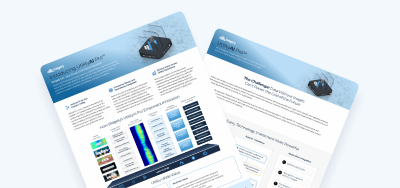
Utilities can run Bidgely GenAI on Bidgely's cloud or, where supported through the UtilityAI Pro deployment model, inside their own cloud or infrastructure. The applicable security policies and governance controls govern the deployment, queries, and answers.
GenAI interfaces use the same pre-trained utility models and deployment foundation approved for the utility's environment.